
Estimated reading time: 9 minutes
Patience! The word feels old-fashioned in a world that runs on speed. We live in an age of instant downloads, one-click shopping, and quick replies. Waiting (even for a few seconds) feels unbearable to many of us. Yet, patience remains one of the most powerful skills we can develop.
It is not only about standing in line without complaint or sitting through delays. True patience is emotional strength. It is mindfulness in action. It is the quiet ability to stay steady when life doesn’t move at our pace.
Writers, philosophers, and spiritual teachers have praised patience for centuries. Modern science, too, confirms its value: studies show patient people experience lower stress, stronger relationships, and better decision-making.
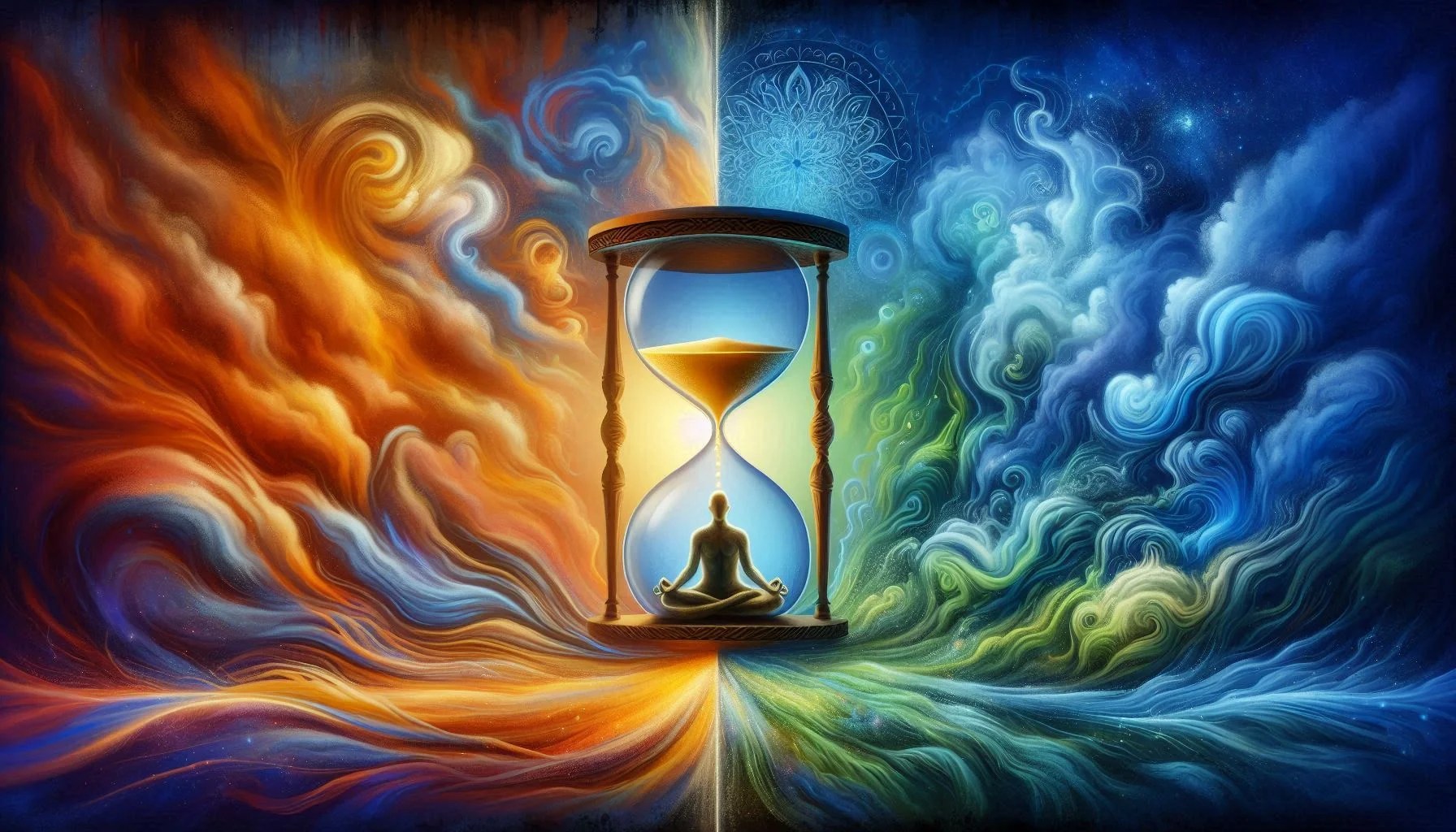
What is Patience?
Patience is the capacity to accept or tolerate delay, trouble, or suffering without getting angry or upset. It reflects self-control and resilience, enabling individuals to stay calm and composed in the face of challenges. In the modern context, patience also means resisting the urge for immediate results and cultivating long-term perspectives.
A Modern Challenge
Why is patience so difficult today? From instant online deliveries to rapid social media validation, our environment trains us to expect immediacy. This creates frustration when real-life processes like relationships, career growth, or personal development demand time.


Pingback: Consistent Training routine: 8 Strategies to follow -