
Estimated reading time: 9 minutes
Depression is a critical mental health condition that can affect anyone at any stage. Experts estimate that one in ten people will experience depression at some point in their lifetime. But, depression in the workplace can be incredibly harmful and disruptive to your mental and physical health.
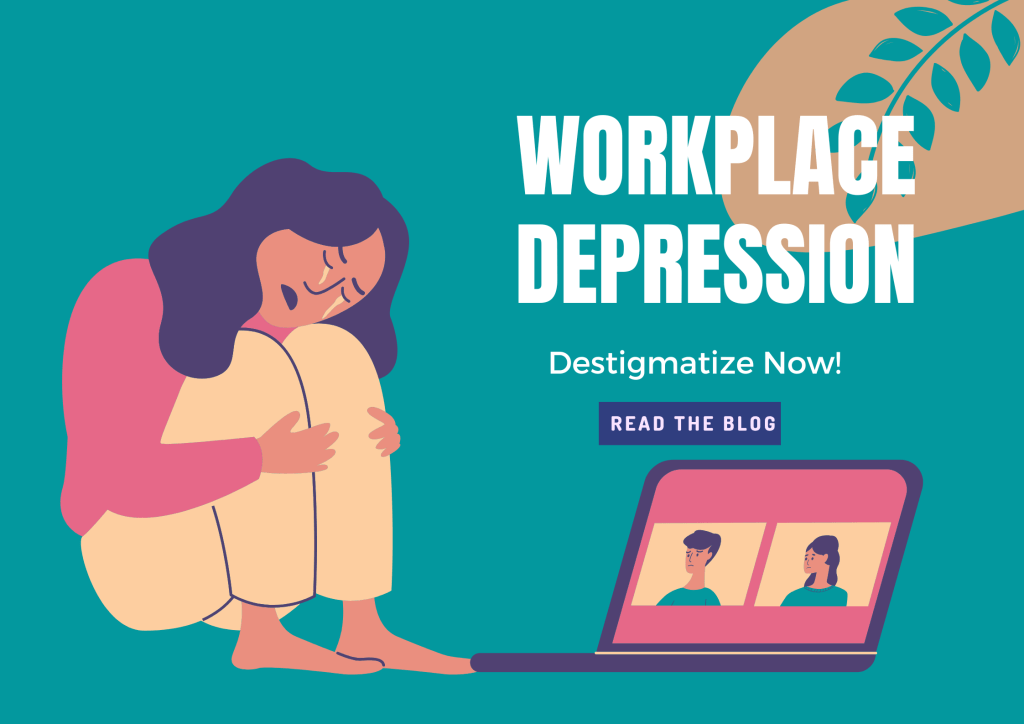
Table of contents
- Depression in the workplace
- Addressing the stigma of mental illness
- Symptoms of depression in the workplace
- Causes of depression in the workplace.
- How to deal with depression in the workplace?
- Here are the steps to take if you are experiencing depression in the workplace.
- How to get help and apply for leave?
- Related articles
- Frequently Asked Questions
Depression in the workplace
Depression in the workplace is an issue that is only going to get worse. It is a form of mental disorder that we must not ignore. You must know what to do if you or a coworker experiences depression, as it can impact productivity. Don’t be afraid to speak up – talking about it is one of the steps in solving the problem.
There are many resources available that can help with depression in the workplace. Additionally, don’t hesitate to ask for help. Professionals handle such cases, and they will be able to help you out. In the meantime, make sure to keep yourself healthy and happy by taking care of your mental health.
Addressing the stigma of mental illness
One of the biggest challenges faced in the workplace is the stigma surrounding mental illness. Many people don’t understand what depression is or how it can affect someone, leading to dangerous judgments. It’s essential to break down these barriers so that everyone can get help if they need it.
Here are some steps that you can take as an individual to address this stigma:
- Talk about it! Be open and honest with your friends and family about what you’re going through. They will probably be the most supportive.
- Share resources that you find helpful on social media. This removes the barrier of secrecy can help destigmatize mental health problems.
- Don’t hesitate to ask for support when needed. Many professionals can offer guidance and assistance during a depressive episode.
- Be vocal about the importance of mental health care in the workplace. Let your representatives know that it’s crucial to have access to proper treatment for depression.
Fighting depression at work is difficult. But by taking these steps, you will overcome obstacles and manage your condition effectively.

Symptoms of depression in the workplace
If you’re experiencing any of the following depression symptoms, prioritize them:
- Mood swings.
- Reduced energy.
- Difficulty concentrating on work.
- Low self-esteem.
- Loss of interest.
- Hopelessness.
It’s easy to blame mood disorder when someone is experiencing severe depression. The sufferers lose their appetite, avoid social activities, and become irritable or dwell in suicidal thoughts. It often feels like these depressive symptoms are all due to laziness or a lack of willpower. But in reality, it can seriously affect work productivity and motivation.
Dysthymia, reduced physical activity, chronic pains, insomnia, and uncontrolled weight loss. These are symptoms of depression and other mental health conditions which need primary care and effective treatment of depression.
It’s crucial to speak with your manager about your concerns. They can find the root cause of your depression and support you. If things don’t improve after discussing the situation, consider seeking professional help. It is a severe mental health condition and shouldn’t be ignored or treated lightly.

Here are some resources for you to read on this topic and understand the risk factors, read more at psychiatry.
- Peripartum depression (previously postpartum depression)
- Seasonal depression (Also called seasonal affective disorder)
- Cognitive Behavioral Therapy
- Transcranial Magnetic Stimulation
- NIMH Depression
- NIMH Major Depression
- Depression in Women
- Statistical Manual of Mental Disorders
Causes of depression in the workplace.
If you’re feeling down and your mood is starting to decline, it’s crucial to talk to your supervisor. Depression can hurt your work performance and overall quality of life.
So, what are some of the causes of depression in the workplace?
Professional support can help you manage physical symptoms and improve your condition. Some of the common factors include,
- Job loss.
- Lack of recognition or appreciation for work done.
- Difficult working conditions.
It’s vital to be aware of these factors and seek out help if you start to experience symptoms. And you can ensure that you’re taking the best steps to improve your mental health and well-being in the workplace.
How to deal with depression in the workplace?
Depression can be a pressing issue for people in the workplace. If we fail to address this, it can hurt your health, job, and mental well-being. Here are some tips on how to deal with it in the workplace:
- First and foremost, take some time off work if needed. It will help restore balance in your life and get you back to work feeling refreshed and energized.
- If you’re experiencing depression, speak with your supervisor or HR representative. By doing so, everyone can be on the same page, and the process of dealing with it becomes smoother.
- Make an appointment and disclose the situation so that everyone understands your situation. This way, everyone knows the necessary information, and there are no surprises.
- Encourage others suffering from depression to reach out for help.
Here are the steps to take if you are experiencing depression in the workplace.
Depression can be a rough thing to manage in the workplace. If you are struggling, get your life back on track by slowing down.
- Start by staying positive and taking small steps toward recovery.
- Work gradually towards returning to your routine at work.
If you need help, reach out for support. A therapist or HR department can offer advice or resources. Additionally, discuss the situation with your boss and see if it can improve your working environment. If you are feeling depressed, talk to them first. Also, you can get the support and guidance you need to start the road to recovery.
How to get help and apply for leave?
If you have depression and want to take some time off, here are a few things you need to know. First, speak with your supervisor or HR representative about the situation. It will help everyone understand what is happening and enable the process of applying for leave smoother.
Additionally, make an appointment for an assessment so that a mental health professional can diagnose your condition. If you need leave for mental health reasons, apply for it through your employer’s system. Be sure to share all necessary information, medical documentation of your condition, and how leaving will help improve things.
Do not think of committing self-harm as a way to cope with it. Self-harm is never the answer and can lead to longer-term health problems. If you are feeling suicidal, please seek help from a professional immediately.
Depression Helplines
India:
- 24×7 Toll-Free Mental Health Rehabilitation Helpline Kiran – 1800-599-0019
- National Suicide Prevention Lifeline – 9152987821
- Aasra
- Sneha Foundation
- Samaritans Mumbai
- Parivarthan Counselling, Training & Research Centre
- Connecting NGO
International:
- SAMHSA’s National Helpline, 1-800-662-HELP (4357) – For suicide prevention and substance use disorder.
- Anxiety UK – 03444 775 774 (helpline) 07537 416 905 (text)
- British Association for Counselling and Psychotherapy (BACP)
Related articles
Frequently Asked Questions
There are many benefits to being open about your it with your colleagues.
Firstly, it can help you get the support and care you need.
Next, by talking openly about your depression. You’ll be sending a strong message that mental health is not a taboo topic.
Thirdly, it will make working together more comfortable and enjoyable for both of you.
Before you speak to your employer about your treatment for depression. It would be a good idea to talk with a professional. A mental health professional can help guide and support the conversation and also provide support during and after treatment.
It would also be beneficial to be available during office hours so that management has the opportunity to support you. It’s also important to explain how it has impacted your work and why.
Depression can be a struggle to overcome, but antidepressant medication may help to provide relief. When taking supplements, you must speak with your doctor first to ensure to take the correct medication. As each antidepressant has different side effects and benefits.
Additionally, do not take antidepressant medication (like Tricyclic antidepressants) without consulting your doctor. In addition, antidepressant medication can help to improve your mood and make you more productive at work. Additionally, antidepressants can reduce thoughts of suicide and depressive symptoms in general.
In some cases, doctors suggest Electroconvulsive therapy (ECT) that helps manage your clinical depression.
Please reach out to your doctor about your medical condition for proper advice based on your current situation.
Conclusion
It is crucial for any individual dealing with depression to seek treatment and receive guidance from a medical professional. If you are struggling with it at work, speak with your doctor about the best way to overcome this depressive.
Hoomale offers blogs on business, youth mindset, future work, and tech. Stay informed and educated with our captivating reads.
Get notified of our next post via email by signing up with the form below! Follow us on YouTube.
Get your free subscription to Hoomale Newsletter now.
Our fav tools: Coolors, InVideo, Semrush, WordPress, Dreamstime, Epidemic Sound
Disclaimer: Some posts have affiliate links. If you buy through them, we earn a commission at no extra cost to you. We only recommend trusted, high-quality products. Thanks for your support!


